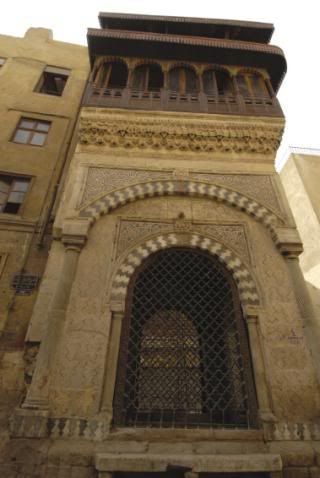
Bashtak Palace, where Ali's mother was born.
 On Wednesday, I posted a photo of a cardboard box filled with guavas. So I'll bet you hookah folks are wondering what the heck I'm doing, right? After all, it's not a box of guava shisha and this is, after all, a hookah blog! Rest assured, I haven't lost my mind -- at least not today. As you'll soon see, there is a method to my madness.
 Innovations in a traditional industry don't come easy, especially when those innovations involve a cultural icon that is manufactured in a country with a history of traditions as long as Egypt's.
 A couple of years ago, Ali and his sister (who still lives in Egypt) started a co-op to help widows and their children. These women and their families live in poverty with very little 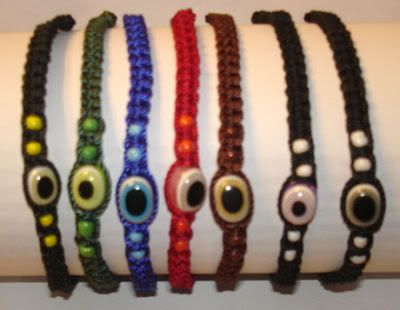
'Tis the season to be jolly for sure, but it's also the time of year when gratitude finds its best expressions. Ali and I would like to thank all of our customers who have purchased one of these items from the Widow's Co-Op because your purchases have helped us to continue to help them help themselves and for that, we are extremely grateful.
 e up mostly of Egyptians and fabulous food, both of which reminded me of what makes a great hookah party. If you've never had Egyptian food, you don't know what you're missing! So, to help you have an authentic hookah party this summer, I'm going to share some authentic Egyptian recipes with you.
 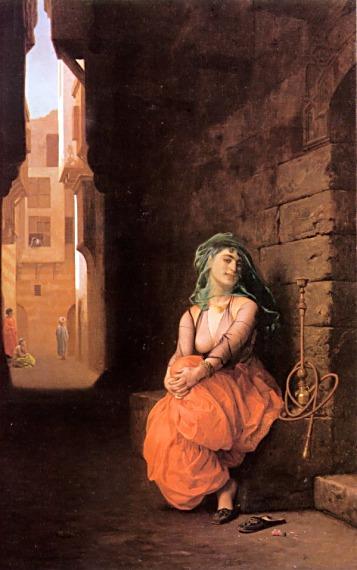 With the Orientalism movement of the late 19th century, European artists introduced the world to the hookah. The Orientalist painters, fascinated with the mystery and romance associated with Egypt and the Middle East, began to travel to places like Cairo and Tangiers in search of subjects for their art. What resulted was not only some fabulous fine art but also the spread of knowledge of the hookah. Many of the images in Orientalist paintings include a hookah, such as Arab Girl with Water Pipe by Gerome. The piece depicts a young woman seated on a ledge in a Cairo alley. The doorway behind her is called a "bab" or gate, and Islamic Cairo (the part of Cairo where the famous bazaar, Khan el-Khalili, is located) has several of them. Soldiers closed and guarded these gates at night to offer protection from invading forces. Several centuries later, parts of the city are still identified by the names of the gates closest to them. Ali comes from one of these gated areas of Islamic Cairo, and it just so happens that this particular part of the city is best known for -- you guessed it -- HOOKAHS! Is it any wonder that Ali's family has been a part of the hookah industry for generations, then? Back to the painting. . .notice how the hookah is made of metal rather than glass. Glass, because of its fragility, was more expensive than metal and was therefore the hookah of choice for those who had enough money to replace them should they break.
 In Cafe House in Cairo, the artist gives us a bird's eye view of the precursor to the contemporary hookah lounge! Coffee shops in Cairo don't look like this anymore, even the very old ones. Now they are filled with tables and chairs where people, mostly men, sit to discuss politics, tell jokes (Egyptians LOVE jokes and tell some great ones!), play backgammon or chess, drink tea or Turkish coffee, and smoke shisha (the name for hookah in Egypt). They are centers of social activity day and night, and it is not often that you will find a coffee shop without a few patrons. The oldest coffee shop in Islamic Cairo, which is located across the street from the Al-Hussein Mosque, belongs to a distant relative of Ali's mother. The place is always packed with locals and tourists wandering through the old part of the city. Again, the hookah is made of metal rather than glass, but that is about to change. . .